California Solar Rule 21: How Homeowners Can Upgrade Their Solar Systems Without Losing NEM 2.0
As solar energy continues to become more common, homeowners who already have systems are looking to expand and upgrade their systems. Those looking to do so are now asking: Can I upgrade my system without losing my current benefits?
With energy usage on the rise due to electric vehicles, battery storage, and home electrification, many systems installed years ago are no longer large enough to meet today’s needs. For homeowners still enrolled in the legacy Net Energy Metering 1.0 or 2.0 (NEM 1.0 or NEM 2.0), that creates a dilemma: upgrading your system could force you to switch over to the newer and less lucrative NEM 3.0, thereby putting those valuable benefits at risk.
That’s where California solar Rule 21 comes in. New approaches under solar Rule 21 are making it possible for homeowners to expand their systems while keeping their existing NEM agreements.
What is Solar Rule 21 in California?
Solar Rule 21 is the set of rules that dictates how solar panels, batteries, and other energy systems connect to the grid in the state of California. It was established by the California Public Utilities Commission (CPUC) and applies to utility companies such as Southern California Edison (SCE), Pacific Gas and Electric Company (PG&E) and San Diego Gas & Electric Company (SDG&E). In general, Rule 21 determines how systems are approved, how energy is exported to the grid, and how utilities ensure grid safety and stability. For homeowners, this rule is important as it dictates what changes can be made to an existing solar system and how those changes are evaluated by the utility
Can I Add Solar Panels Without Losing NEM 2.0?
Yes, but only under certain circumstances. It is often assumed that any change will immediately trigger a switch over to NEM 3.0 and a loss of legacy NEM status and benefits. However, it depends on how the system is changed and how it interacts with the grid after modifications are made. Under California Rule 21, it is possible to expand your solar setup without triggering a transition away from NEM 2.0 status.
How Does Solar System Expansion Affect NEM Status?
Installment agreements under NEM 1.0 or 2.0 are partially based on how your system interacts with the grid. In particular, it is based on how much excess energy is exported back to the grid from the system. Adding more panels to an existing system can increase total energy production and therefore increase the amount of electricity sent back to the grid. If exports increase beyond certain thresholds, utilities may require a new interconnection agreement or a transition to a different compensation structure. Typically, this would mean a switch to NEM 3.0. As NEM 3.0 is widely considered to be a downgrade from NEM 2.0, making changes to your system that would trigger the switch can be risky.
How Rule 21 Non-Export Systems Offer a Solution
One of the biggest developments under Rule 21 is the ability to design non-export systems. A non-export system is a system that is designed to not send excess energy back to the grid. Additional energy is instead used up or stored with a battery. Since the system does not export excess power back to the grid, homeowners can modify their systems – by adding panels, batteries, or by expanding system capacity – without impacting their NEM 2.0 status. In essence, the original system still functions under NEM 2.0 guidelines, with any additions operating as a non-export system.
With this option, Rule 21 now opens the doors for a range of possibilities for homeowners looking to expand their systems while maintaining the benefits of NEM 2.0. With this option, increasing the number panels, adding a battery, or making any range of modifications to your system no longer comes with the cost of having to switch over to NEM 3.0.
Solar Discovery’s First Rule 21 Non-Export Project
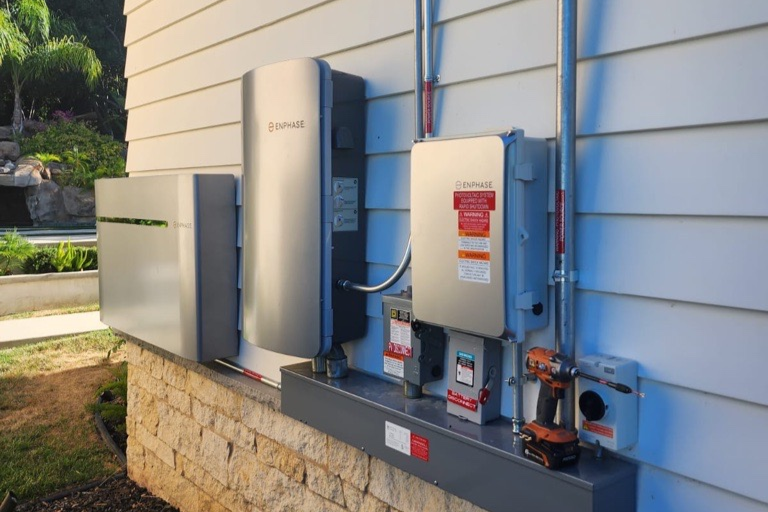
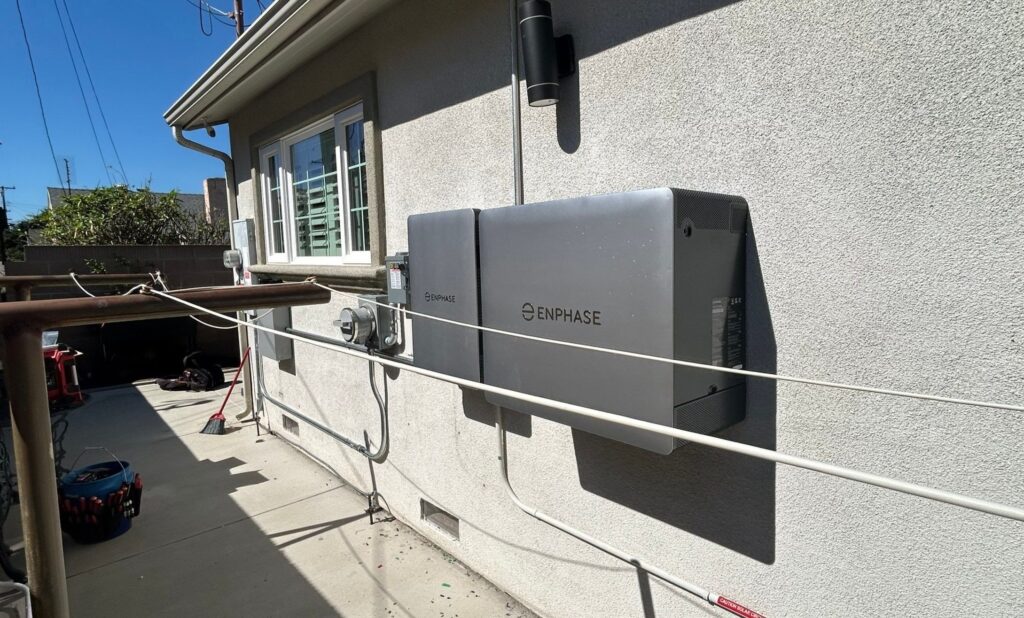
Solar Discovery recently partnered with Enphase and SCE to complete the first Rule 21 non-export solar installation in Southern California. Our customer was interested in expanding their system without losing their NEM 2.0 benefits, and by successfully implementing this system under Rule 21, we were able to provide this for them.
Solar Discovery worked directly with the utility and the manufacturer to navigate Rule 21 requirements and secure approval for the non-export system.
Upgrade Your System Today
For years, homeowners have had to decide between expanding their systems and maintaining their legacy NEM benefits. Thanks to Rule 21, there are now ways around having to choose between the two. With the right system design and expertise, it’s now possible to upgrade your system while preserving the value of your original NEM status. Solar Discovery is leading the way, helping homeowners navigate Rule 21 and implement non-export systems that make upgrades a smart and easy decision. If you’re considering adding panels, batteries, or making any other modifications to your system, we’re here to help. Contact us today to learn more.