Prepaid Solar Leases Explained: Full Guide & FAQs for 2026
As the solar industry continues to change, you’ve probably noticed that things look very different than they did just a year ago. With major changes to the federal tax credit, shifting financing options, and new arrangements like lease-to-own structures entering the market, it’s no surprise that many homeowners are left feeling confused about how to proceed with going solar.
As more homeowners explore different financial options for going solar, one common question continues to come up: how do prepaid solar leases work?
Over the past several months, we’ve been speaking with countless homeowners navigating these uncharted waters. We’ve received lots of questions on the topic, and we’ve done our best to put them together in this post to break everything down simply and guide you through the process toward making the best possible decision.
What is a Prepaid Solar Lease?
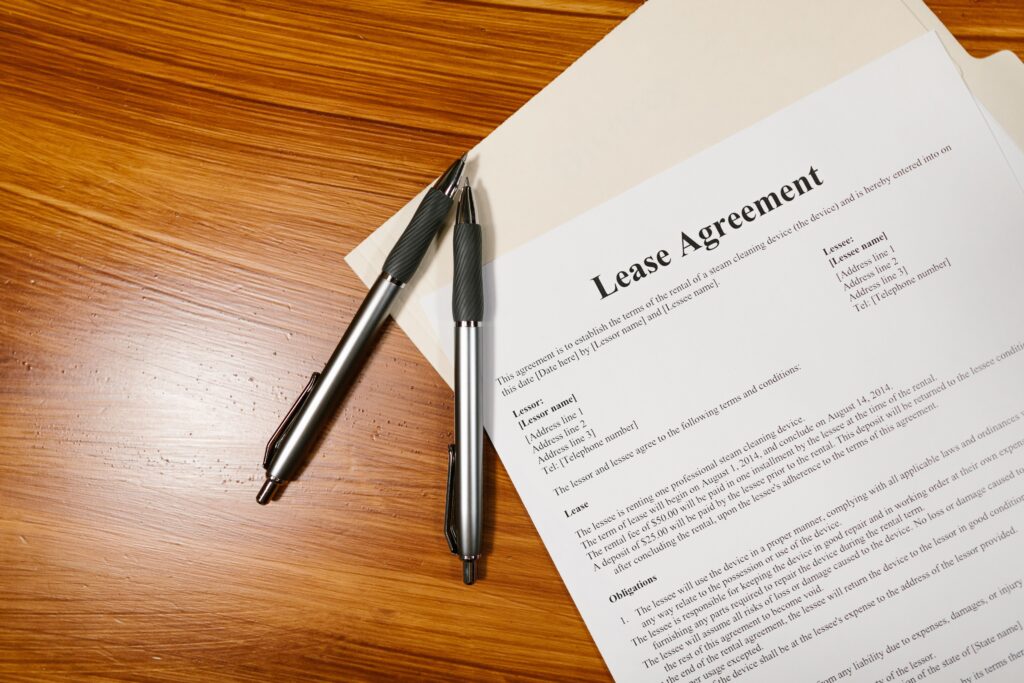
A prepaid solar lease, also known as a prepaid power purchase agreement (PPA) is designed as a workaround to continue providing savings to homeowners in place of the changing solar tax credit landscape. In these arrangements, a third-party company, typically a leasing provider, temporarily owns the solar system in order to claim the federal tax credit. A portion (or in some cases, all) of that value is then passed on to the homeowner through a reduced upfront cost.
Unlike traditional solar leases or PPAs, there are no ongoing monthly payments. Instead, the homeowner makes a single upfront payment, similar to how a system would be paid for with cash or financing.
During the initial term, the provider owns and maintains the system, taking on the responsibility for performance, monitoring, and repairs. At the end of that term, typically around six years, ownership of the system transfers automatically to the homeowner. From that point forward, the homeowner fully owns the system and continues to benefit from the energy it produces without any lease obligations.
How & When Does Ownership Transfer Happen?
This is one of the most common—and most confusing—questions homeowners have when it comes to prepaid solar leases: when and how does ownership actually transfer
The short answer is simple: ownership transfers at the end of the lease term.
The longer explanation is where the structure makes more sense. The leasing company temporarily owns the system because they must be listed as the system owner at the time of installation in order to claim the federal tax credit. Once that credit is secured, they’re able to pass a portion of that value back to the homeowner in the form of a reduced upfront cost.
The system is then leased to the homeowner for a set period, typically around six years. During this time, the provider remains responsible for the system’s performance, monitoring, and maintenance.
At the end of the six-year term, ownership of the system transfers automatically to the homeowner at no additional cost. From that point forward, the homeowner owns the system outright and continues to benefit from the energy it produces.
What is the Difference Between Prepaid Lease & Standard PPA?
A standard Power Purchase Agreement (PPA) is one of the most common ways homeowners go solar with little to no upfront cost. In this arrangement, the solar company owns the system, installs it on your home, and maintains it over time. Instead of paying for the system itself, the homeowner pays a monthly bill based on the electricity the system produces, typically over a 20–25-year period.
This option is appealing because it requires minimal upfront investment and keeps maintenance responsibilities with the provider. However, because payments are spread out over decades, it often ends up costing more in the long run compared to other solar options.
A prepaid PPA (or prepaid lease), on the other hand, takes a very different approach. Instead of making monthly payments, the homeowner makes a one-time upfront payment. While the solar company still owns the system initially, there are no ongoing electricity payments. After a relatively short term – typically around six years – ownership of the system transfers to the homeowner at no additional cost.
While the upfront cost is much higher, it is less expensive in the long term when compared to a standard PPA. The biggest benefit is that a prepaid lease allows for the transfer of significant savings in the form of the solar tax credit – from the leasing company to the homeowner – of up to 30%.
What is the Benefit of a Prepaid Lease vs. Standard Ownership?
The main benefit currently is that a prepaid lease allows for homeowners to still receive the benefit of the solar tax credit. While the 30% federal solar tax credit expired at the end of 2025 for homeowners, it is still available for commercial businesses. This allows for a solar company to claim the tax credit and pass the savings on to a homeowner. If you decided to purchase a solar system outright, you would not be eligible for any tax credits.
Can I Sell My Home While the System is Leased?
You can sell your home while the system is still leased. You have a few options for how it can work:
You can transfer the agreement to the buyer. This allows them to take over the lease and pay the rest of it off before assuming ownership themselves.
You can prepay the remaining balance of your lease before selling your home. In this instance, you would simply own the system outright and could simply raise the price of your home for your new buyer.
Can I Finance a Prepaid Lease?
Yes. Since you’ll be paying upfront much in the same way as you would when buying a system, you can also finance it in the same way. You still will not own the system until the six-year lease ends. Financing simply allows you to pay off the larger upfront payment.
Why Can’t I Just Claim the Tax Credit Myself?
The federal solar tax credit for homeowners expired at the end of 2025. This means that homeowners no longer qualify for the 30% solar tax credit. Lease companies, however, are still eligible to claim it and pass the savings on to homeowners via prepaid lease arrangements.
Do I Make Monthly Lease Payments with a Prepaid PPA?
No. The system is paid upfront through cash or financing. The lease exists only for ownership and tax purposes.
What Happens During the Six-Year Lease Period?
You will not pay monthly lease payments. You will use your solar system normally and benefit from lower utility bills. The only difference is that the system is considered a lease system until ownership is transferred.
Why is this New Arrangement Being Offered Now?
This option is being offered now as a way to offset the ending of the residential solar tax credit. Until now, homeowners and leasing companies had the same option to benefit from the solar tax credit. This arrangement is now being put in place as homeowners will no longer be eligible for it.
Benefits of a Prepaid Solar Lease
Going with a prepaid solar lease has many potential benefits for homeowners looking to go solar and maximize their savings in the process. These include:
Serious Savings. A prepaid solar lease allows you to claim a 20-30% upfront discount despite the expiration of the residential federal solar tax credit. As an added benefit when compared to the solar tax credit, the discount is upfront and immediate, meaning you won’t need to wait for tax refunds.
Universal Eligibility. There are no eligibility requirements for tax credits
Ownership. Unlike a standard PPA, the short-term lease provides you with a quicker path to ownership
Flexible Payment Options. Works with both upfront cash and financed purchases.
Go Solar with Solar Discovery
In an ever-changing and unpredictable solar landscape, it’s important to have a reliable solar company at your side that continues to adapt to make going solar affordable and accessible. Solar Discovery now offers prepaid solar PPAs to ensure that going solar remains a sustainable and smart decision. Contact us today to learn more and get started on your solar journey.